
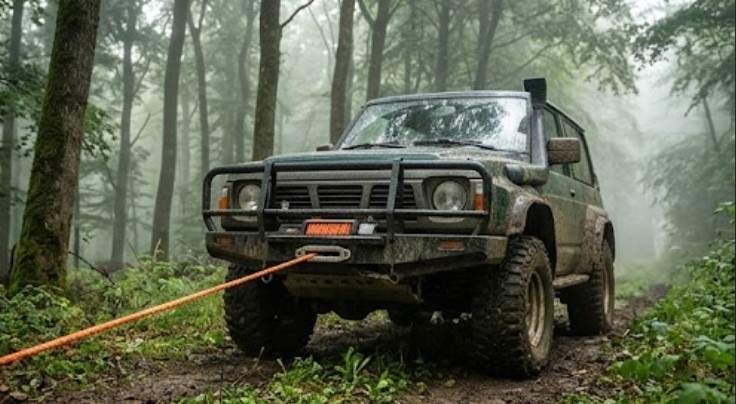
A rope winch line is an essential component in various lifting, pulling, and towing operations. Selecting the appropriate rope winch line can significantly impact the safety, efficiency, and durability of your equipment. This article explores key factors to consider when choosing a rope winch line and offers guidance on making the best selection based on specific requirements.
Understanding Rope Winch Lines
A rope winch line is a type of rope specifically engineered to be used on winches. It replaces traditional steel cables in many applications and offers several advantages such as flexibility, weight reduction, and easier handling. Rope winch lines are commonly utilised in industries such as forestry, shipping, construction, and rescue operations.
Material Composition
One of the primary considerations when selecting a rope winch line is the material it is made from. Modern rope winch lines are often constructed from synthetic fibres like polyester, nylon, or high-modulus polyethylene (HMPE). Each material has unique properties affecting strength, elongation, abrasion resistance, and environmental performance.
Polyester rope winch lines offer good strength and low stretch characteristics, making them ideal for applications where controlled load handling is necessary. Nylon ropes are known for their excellent elasticity and shock absorption capabilities, which is beneficial in dynamic load situations. HMPE ropes, often branded as Dyneema or Spectra, provide exceptionally high strength-to-weight ratios and low stretch but may require careful handling due to sensitivity to abrasion and heat.
Strength and Load Capacity
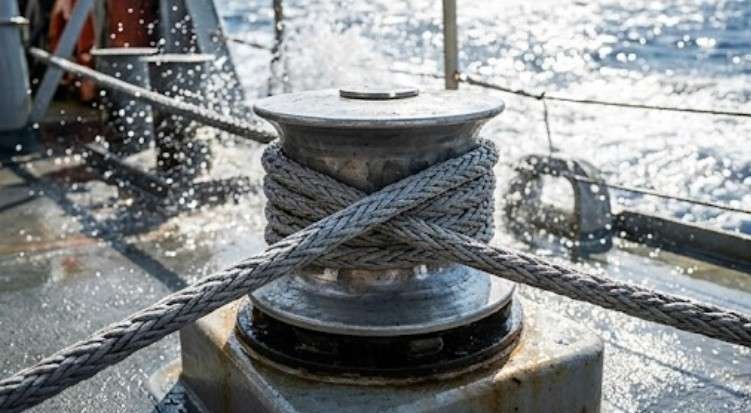
Identifying the correct strength and load capacity of a rope winch line is crucial to ensure safety and functionality. The working load limit (WLL) should always be well documented by the manufacturer and chosen based on the maximum expected load during operation. Overloading a rope can lead to catastrophic failure, risking equipment damage and personal injury.
It is advisable to apply a safety factor when selecting the rope winch line, often ranging from 5:1 to 7:1 depending on the application, regulatory standards, and operating conditions. This means the rope’s breaking strength should be several times higher than the maximum expected load.
Diameter and Length Considerations
The diameter of the rope winch line affects both the strength and compatibility with the winch drum and fairleads. A thicker rope generally offers higher strength but requires a larger drum dimension. If the diameter does not match winch specifications, it may lead to improper spooling, risks of industrial rope or premature rope wear.
Length is equally important; the rope must be sufficient to meet the reach of your load or pulling distance while maintaining suitable winch line management. Too much rope on the drum can cause tangling, while insufficient length limits operational range.
Resistance to Environmental Factors
In many applications, rope winch lines are exposed to harsh environmental conditions such as moisture, UV radiation, chemicals, and abrasion. Selecting a rope with high resistance to these factors prolongs service life and reduces maintenance costs.
For example, synthetic ropes generally resist corrosion compared to steel cables and can be treated for enhanced UV protection. However, some synthetic materials absorb water, which may affect weight and strength, so attention to the specific material properties is essential.
Handling and Maintenance
Ease of handling and maintenance requirements are practical factors when choosing a rope winch line. Synthetic ropes are lighter and easier to handle safely compared to steel cables, reducing operator fatigue and injury risks.
Routine inspections should be performed to identify abrasions, fraying, or other damage. Also, correct storage and cleaning according to the manufacturer’s guidelines extend rope life. Choosing a rope winch line manufactured to high standards ensures more straightforward maintenance and reliable operation.
Cost Implications
Cost is an important consideration, but it should not be the sole factor in selecting a rope winch line. While synthetic rope winch lines may have a higher upfront cost than steel wire ropes, their benefits often compensate through increased durability, lower maintenance, and enhanced safety.
Evaluating total cost of ownership over the lifespan of the rope provides a better financial perspective. Quality rope winch lines sourced from reputable suppliers can provide value through performance and longevity.
Compatibility with Winching Equipment
Ensuring compatibility between the rope winch line and winching equipment is vital. The rope must be suitable for the winch drum type, brake system, and fairleads used. Some winches are specifically designed for synthetic ropes, while others may require modifications or recommendations for particular rope types or diameters.
Improper compatibility can cause spooling issues, rope damage, or mechanical failure in the winch system. Consulting technical specifications and gaining expert advice before purchase helps achieve optimal performance.
Safety Standards and Regulations
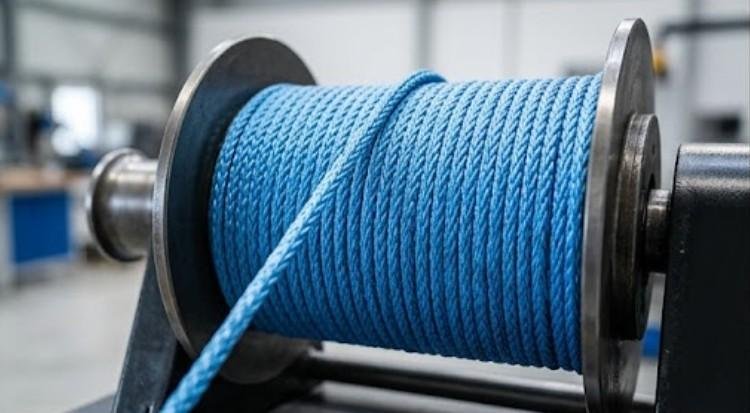
Compliance with safety standards and regulations governing rope winch lines is essential in most regions. These standards dictate minimum performance criteria, testing procedures, and marking requirements to ensure safe operation in professional environments.
Selecting rope winch lines that comply with recognised standards such as those from relevant national or international bodies provides confidence regarding quality and reliability.
Applications and Specific Uses
The intended application plays a considerable role in determining the appropriate rope winch line. Different industries have varied demands; for example, forestry may require abrasion-resistant lines capable of handling rough terrain pulls, while marine environments need ropes resistant to saltwater corrosion.
Understanding the operational context assists in choosing specialised rope winch lines tailored for masterful performance in a particular setting.
Where to Source Quality Rope Winch Lines
Procurement from reputable suppliers is key to obtaining genuine, high-quality rope winch lines. Suppliers who provide detailed product information, technical support, and after-sales service facilitate better purchasing decisions.
Clients looking for dependable rope winch lines can explore options such as the rope winch line available per metre, allowing custom lengths suited to specific needs. This flexibility improves inventory management and reduces material wastage.
Conclusion
Choosing the right rope winch line involves careful consideration of several factors including material, strength, diameter, length, environmental resistance, and compliance with safety standards. Informed selection ensures optimal performance, safety, and cost-efficiency in various winching operations.
By consulting with experienced suppliers and thoroughly assessing operational requirements, purchasers can secure rope winch lines that meet exact needs and sustain demanding applications effectively.