

As someone who has always been fascinated by cultural rituals, there’s no better way to experience the soul of Turkey than through its iconic beverage: Turkish tea. Known as Cay (pronounced “chai”), this beloved drink is more than just a refreshing beverage – it’s a symbol of hospitality, community, and tradition.
Sipping it at a bustling street cafe in Istanbul or brewing it at home, Turkish tea offers an invitation to experience the culture in a truly personal way.
What Makes Turkish Tea So Unique?
Turkish tea is steeped in history, with a cultural significance that stretches far beyond the simple act of drinking tea. Unlike other cultures where tea might be served with milk or sugar, Turkish tea is typically enjoyed black, with its deep flavor and rich color standing out on its own.
The preparation process is unique with the distinct Caydanlık that’s a hallmark of Turkish tea brewing.
The Importance of Çay in Turkish Society
Tea in Turkey is central to social life. From bustling tea houses in the streets of Istanbul to quiet moments with family at home, offering a cup of tea is a traditional greeting and a way to connect.
Whether it’s a quick break during a busy day or a leisurely evening gathering with friends, Turkish tea is always present, and with it, the rituals that make it a deeply personal experience.
Turkish Tea and Hospitality: More Than Just a Drink
In Turkey, tea is not only about taste; it’s a symbol of hospitality. Offering tea to guests is an essential part of Turkish culture. The seven cups of tea tradition is a common phrase, representing the welcoming nature of the Turkish people, it’s said that a host will keep offering tea until the guest feels at home.
How to Brew the Perfect Turkish Tea
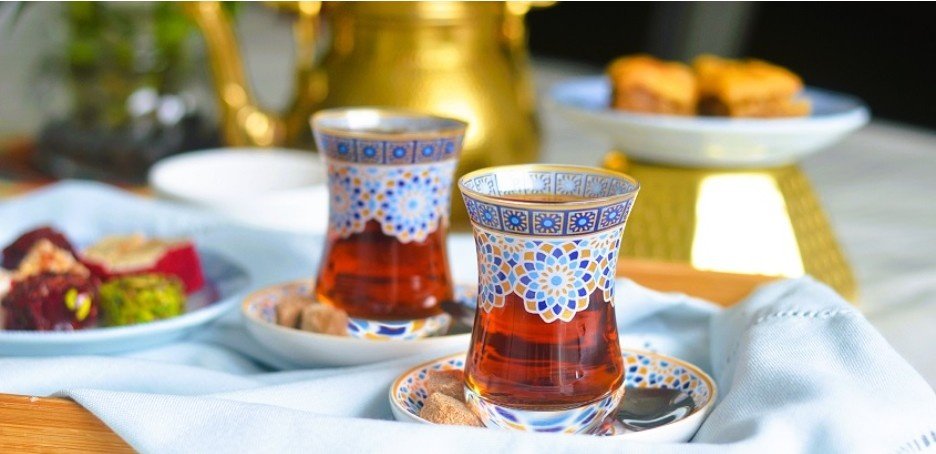 Image Credits: Simple Gluten Free Kitchen
Now that we’ve explored the significance of Turkish tea in daily life, let’s get into the heart of the matter – how to brew it. Brewing Turkish tea requires a bit more patience than your average cup of tea, but the result is well worth it. Here’s a simple guide to help you create an authentic Cay experience at home.
Step 1: Gather Your Equipment
To brew Turkish tea, you’ll need the following:
- A Caydanlik (Turkish teapot) or a two-tiered kettle. This traditional teapot allows you to brew the tea in a way that preserves the deep flavor.
- Loose leaf black tea – the best option is tea from the Rize region of Turkey, known for its ideal growing conditions.
- Water – freshly filtered water is key to achieving the best taste.
Step 2: Brewing Your Tea
- Boil water in the larger tier of the Çaydanlık. Fill the bottom with water and bring it to a boil.
- Add tea to the top tier. Use about 1 tablespoon of loose-leaf tea per person.
- Steam the tea. Once the water boils, place the smaller pot on top of the larger pot and allow the tea to steam for 10-15 minutes. The top pot will brew a concentrated tea base.
- Dilute and serve. To serve, pour the concentrated tea into your glass, then add hot water from the bottom tier to reach the desired strength. Adjust the ratio to your taste.
Step 3: Serving Turkish Tea
Turkish tea is served in tulip-shaped glasses, which help concentrate the aroma and showcase the vibrant color of the tea. Traditionally, sugar is offered separately, as people prefer to adjust the sweetness to their liking.
The Art of Enjoying Turkish Tea
Once you’ve brewed your Turkish tea, it’s time to enjoy it! Here are some traditions and tips to enhance your tea experience:
Tea and Conversation
Tea drinking in Turkey isn’t just about sipping a warm beverage; it’s a time for conversation. Whether it’s family, friends, or strangers, tea provides the perfect excuse to connect. In Turkey, you’ll find that tea is often accompanied by good conversation, whether in a bustling tea garden or a cozy living room.
Pairing Tea with Turkish Delights
While you sip on your tea, you can enjoy it with traditional Turkish sweets like baklava, simit (a sesame-crusted bread), or kunefe (a sweet pastry made with cheese and syrup). These treats complement the richness of Turkish tea and make for an indulgent afternoon.
Turkish Tea Culture: Beyond the Cup
Where to Experience Turkish Tea in Istanbul
If you’re ever in Istanbul, there are several places where you can immerse yourself in the true essence of Turkish tea culture:
- Cay Bahcesi (Tea Gardens): These outdoor tea gardens are perfect spots to enjoy tea while taking in the views of the Bosphorus or a local park. It’s a great place to relax with a cup of tea and people-watch.
- Traditional Tea Houses: Head to the Grand Bazaar or Sultanahmet to experience an authentic tea house. These historic spaces often feature tea ceremonies and live music, offering a full cultural experience.
Tea Rituals in Turkish Daily Life
Tea is an integral part of daily rituals in Turkish homes. Whether it’s a mid-morning break or a moment of relaxation after a long day, the process of brewing and serving tea becomes a ritual that brings a sense of calm and belonging.
Frequently Asked Questions
1. Why is Turkish tea served in tulip-shaped glasses?
The tulip shape helps concentrate the aroma and enhances the flavor, allowing you to enjoy the full sensory experience of the tea.
2. How strong is Turkish tea?
Turkish tea is traditionally strong and concentrated. You can adjust the strength by adding more water to your tea glass or opting for less concentrated tea.
3. What is the best type of tea for Turkish tea?
The best tea comes from the Rize region of Turkey, known for its rich, aromatic black tea leaves, ideal for Turkish tea.
4. Can I drink Turkish tea with milk?
Turkish tea is traditionally served black, but if you prefer milk, it’s fine to add it, although it’s not the standard way.
Final Thoughts
From its historic roots to the modern-day tea houses in Istanbul, Turkish tea is an essential part of the country’s culture, offering more than just a beverage, it’s a social ritual and a symbol of hospitality.
Brewing and sharing a cup of Turkish tea is a tradition that connects generations and brings people together in a way that few other drinks can. So, the next time you’re in a craving for something unique, think about making your own cup of Cay so you may enjoy the authentic spirit of Turkish culture in the comfort of your own home.