
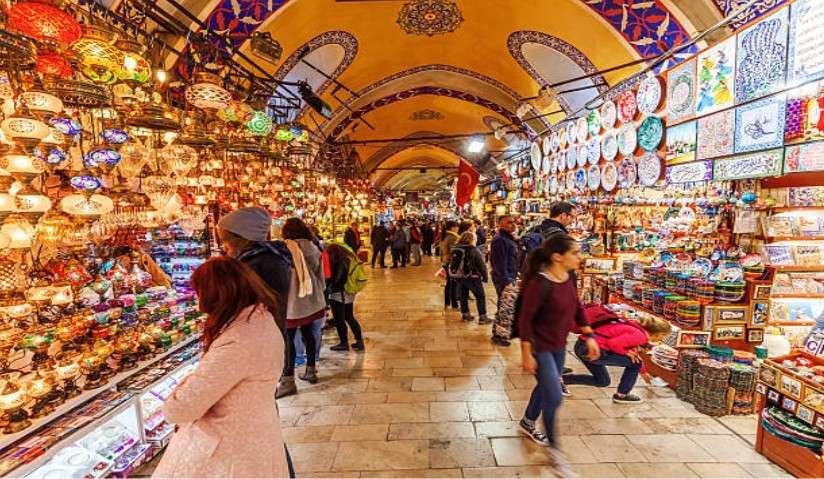
If you’re planning to travel to Turkey, no trip is complete without a visit to its vibrant markets and bazaars. These markets aren’t just places to buy things; they’re cultural hubs, bustling with history, colors, and a rich atmosphere that represents the soul of Turkish life.
As someone who has explored both the popular and off-the-beaten-path markets in Turkey, I can tell you that shopping here is an experience you won’t forget. Whether you’re hunting for souvenirs, spices, or the perfect cup of Turkish tea, Turkey’s markets offer it all.
1. Grand Bazaar: The Heart of Istanbul’s Shopping Culture
Why It’s a Must-Visit
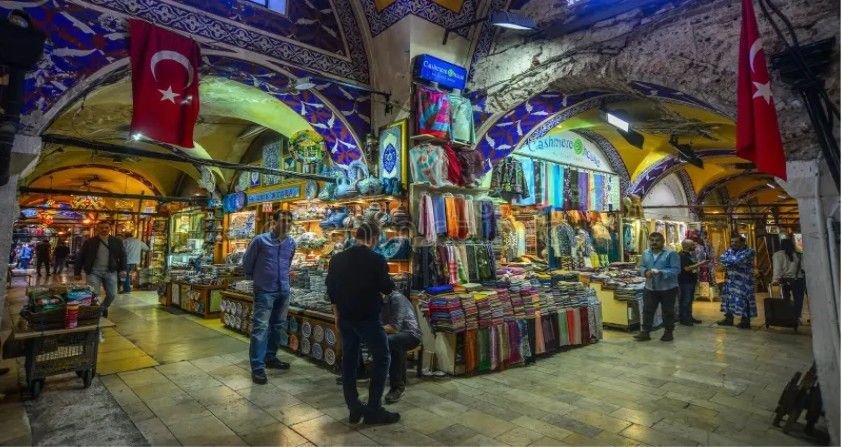
The Grand Bazaar (Kapalı Carsi) is one of the largest and oldest covered markets in the world, dating back to the 15th century. With over 4,000 shops, this iconic Istanbul landmark draws millions of visitors every year. Here, you can find everything from traditional Turkish rugs, handmade jewelry, and antiques, to leather goods, spices, and souvenirs.
What to Buy
- Turkish Rugs and Carpets: Known for their intricate designs and high quality, these are one of the most popular buys in the Grand Bazaar.
- Jewelry: From gold to silver, the variety of handmade jewelry here is impressive.
- Spices: Turkey’s vibrant spice trade thrives in this market, and the Grand Bazaar offers an array of spices like saffron, sumac, and Turkish tea blends.
Insider Tip
When visiting the Grand Bazaar, be prepared to haggle. It’s part of the culture, and you’ll often be able to get a better price by engaging in a friendly back-and-forth with the shopkeeper. I recommend starting at 30–40% lower than the asking price.
2. Spice Bazaar: A Symphony of Scents and Flavors
Why It’s Famous
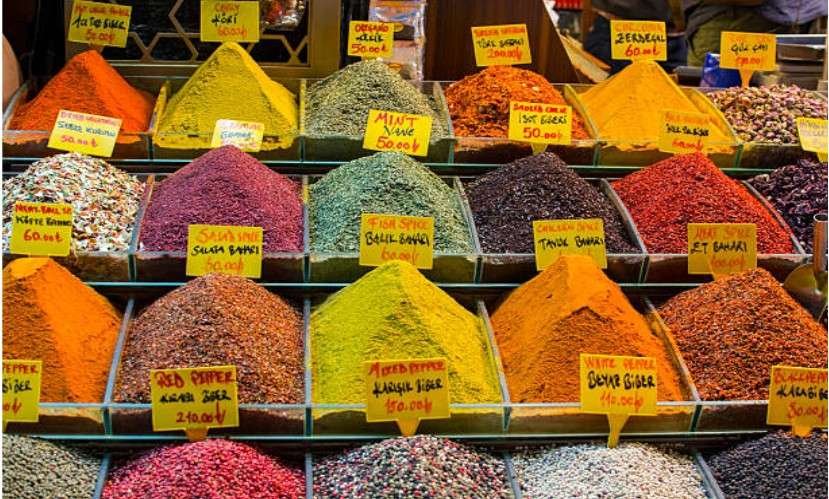
Located near the New Mosque in Istanbul, the Spice Bazaar (Mısır Çarşısı) is one of the most visited markets in the city. As the name suggests, it’s the place to go for all things spices and herbs. It’s also home to an array of Turkish delights (Lokum), dried fruits, and nuts. The moment you step in, you’ll be enveloped by the intoxicating aromas of cinnamon, saffron, and cloves.
What to Buy
- Spices: Don’t leave without picking up some Turkish oregano, sumac, and cinnamon.
- Turkish Delight: Known for its chewy texture and sweetness, lokum is a favorite treat for many.
- Herbs and Teas: The range of herbal teas and dried flowers is outstanding.
Insider Tip
If you’re not familiar with certain spices, don’t hesitate to ask the vendors for a sample or description. They’ll usually offer you a taste, making the shopping experience much more interactive and fun.
3. Arasta Bazaar: A Hidden Gem Near Sultanahmet
Why It’s Worth Visiting
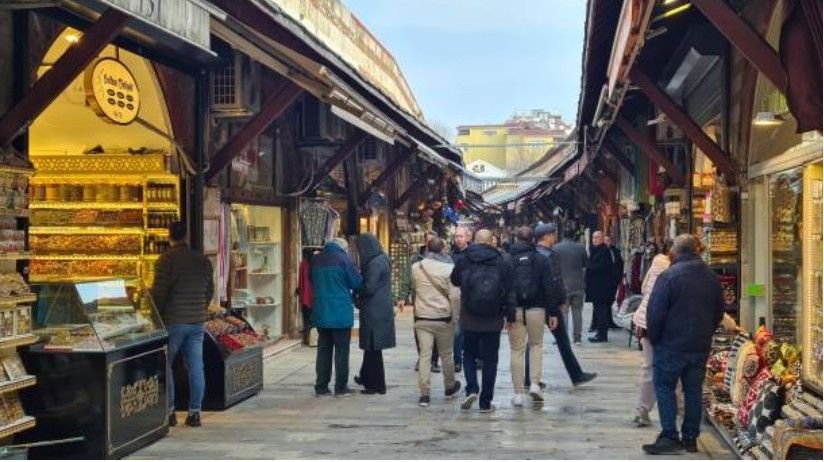
Tucked away behind the Blue Mosque, Arasta Bazaar offers a quieter, less touristy experience than the Grand Bazaar or Spice Bazaar. This market has a more local vibe, with shops selling hand-woven textiles, beautiful ceramics, and unique souvenirs.
What to Buy
- Handmade Ceramics: Known for their vibrant colors, traditional patterns and Turkish ceramics make for a perfect souvenir.
- Textiles: From scarves to bed linens, you’ll find high-quality textiles at reasonable prices.
- Leather Goods: Arasta Bazaar is a great spot to pick up a new leather handbag or wallet.
Insider Tip
The prices here are usually fixed, so bargaining isn’t as common. However, it’s still worth asking for a discount, especially if you’re buying multiple items.
4. Kemeralti Bazaar: Izmir’s Traditional Shopping Experience
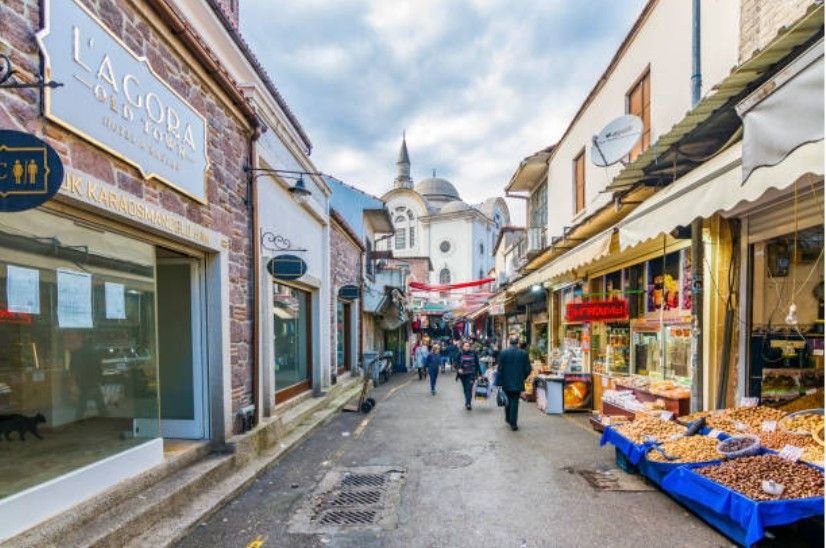
Why It’s Different
Located in Izmir, Kemeralti Bazaar is not just a market; it’s a part of the city’s everyday life. With narrow streets lined with shops selling everything from fresh produce to jewelry, it’s a more authentic Turkish bazaar experience. This market blends the old with the new, offering modern shops alongside traditional stalls.
What to Buy
- Antiques and Vintage Items: From old coins to vintage lamps, Kemeralti Bazaar is full of hidden treasures.
- Clothing: You’ll find lots of local and handmade clothing items here, including woven scarves and jackets.
- Turkish Sweets: Don’t miss the local baklava and Turkish delight.
Insider Tip
Make sure to stop by one of the local tea houses to relax after a long day of shopping. Turkish tea is a staple, and it’s the perfect way to recharge before continuing your exploration.
5. Fethiye Market: A Local’s Paradise
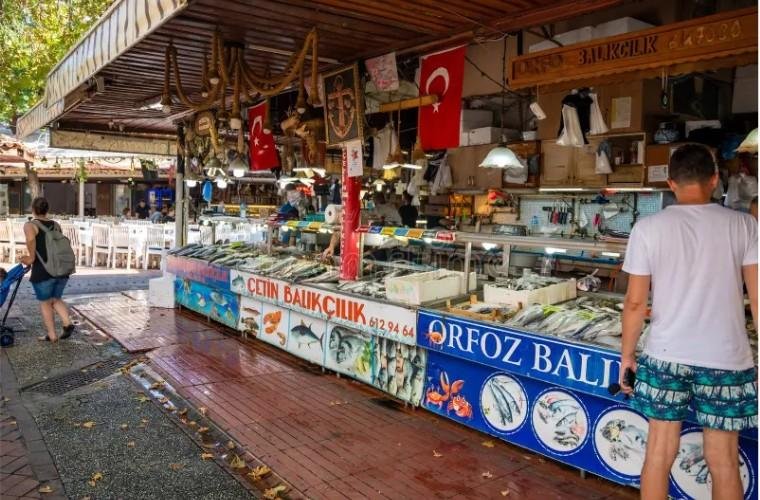
Why It’s Special
The Fethiye Market, located in the coastal town of Fethiye, is a great spot for those wanting to experience a more local shopping scene. This open-air market is held every Tuesday and is known for its mix of fresh produce, handicrafts, and clothing.
What to Buy
- Fresh Produce: The market is a great place to stock up on fresh fruits, vegetables, and local olive oils.
- Handcrafted Items: Look for handwoven baskets, rugs, and traditional Turkish pashmina scarves.
- Clothing and Textiles: From summer dresses to cozy sweaters, you can find everything here at affordable prices.
Insider Tip
Visit the Fethiye Market early in the morning for the best selection of fresh fruits and vegetables. Also, don’t forget to try the local olive oils, they make a fantastic gift.
Frequently Asked Questions
1. How do I haggle in Turkish bazaars?
Bargaining is an essential part of the shopping experience in Turkish bazaars. Start by offering 30–40% lower than the asking price and negotiate politely. Keep it friendly, and don’t be afraid to walk away if the price isn’t right.
2. What’s the best time to visit Turkish bazaars?
Weekdays are the best time to visit Turkish bazaars, especially in Istanbul, to avoid the weekend crowds. The Grand Bazaar can get particularly crowded in the afternoon, so it’s best to visit early in the morning.
3. Can I use credit cards in Turkish markets?
While many shops accept credit cards, it’s always a good idea to carry cash, especially when visiting smaller markets like the Spice Bazaar or local bazaars in other cities.
4. What should I avoid buying in Turkish bazaars?
While bazaars offer many great deals, be cautious about buying items that are not authentic, such as mass-produced knock-offs of traditional crafts. Always ask about the origin of the items to ensure their quality.
Final Thoughts
Shopping in Turkey’s markets isn’t just about buying goods; it’s about immersing yourself in a cultural experience that has been passed down for centuries. From the iconic Grand Bazaar in Istanbul to the local gems like Fethiye Market, each bazaar offers a unique experience. Whether you’re looking for handmade crafts, spices, delicacies, or souvenirs, these markets offer something for every kind of traveler.
Turkish bazaars are a place where history, culture, and commerce meet, and I guarantee that your visit will be one of the most memorable parts of your trip to Turkey. Happy shopping, and may you leave with more than just souvenirs, but a piece of Turkey’s heart as well.