
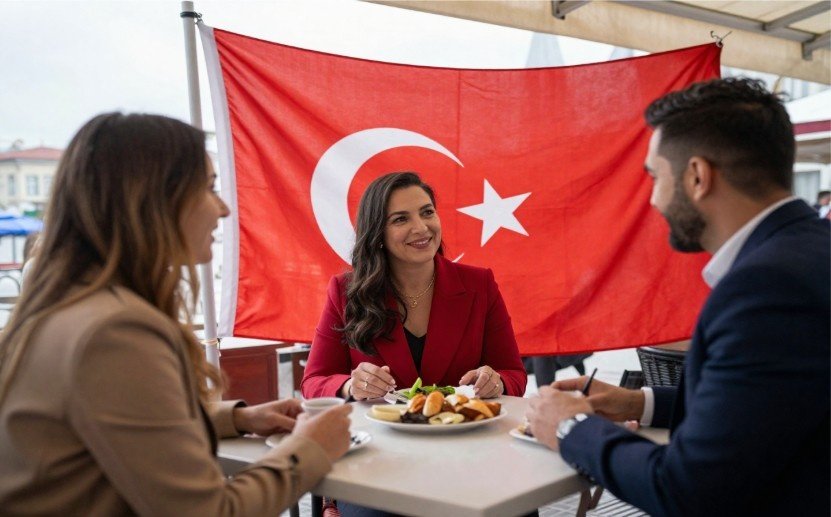
Visiting Turkey is an exciting adventure, with its rich culture, delicious food, and stunning landscapes. But navigating the social landscape can be tricky if you’re not familiar with the local customs and etiquette.
Observing Turkish etiquette is essential to creating a good impression and avoiding cultural blunders, whether you’re seeing Istanbul’s magnificent bazaars or dining at a prepared meal with a Turkish family.
Turkish Greetings: How to Say Hello the Right Way

The Art of the Turkish Greeting
In Turkey, greetings are an important part of social life. When meeting someone for the first time, a handshake is the most common gesture. However, if you’re meeting an elder or someone you’re close to, cheek kisses are common. Men and women may greet with two cheek kisses, one on each side of the face.
- Handshakes: Use a firm handshake when meeting someone for the first time. If you’re in a more formal setting, wait for the other person to extend their hand first.
- Cheek Kisses: If you’re close to someone or meeting them for the second time, a light kiss on both cheeks is expected.
- Respecting Elders: Always show respect to elders, and when addressing them, use titles like Bey and Hanım.
How to Greet in Business
In business settings, it’s important to be formal at first. Shake hands firmly, and always address people with their titles unless invited to use their first names. This shows respect for hierarchy and tradition in Turkish culture.
Dining Etiquette: What You Should Know Before You Sit Down
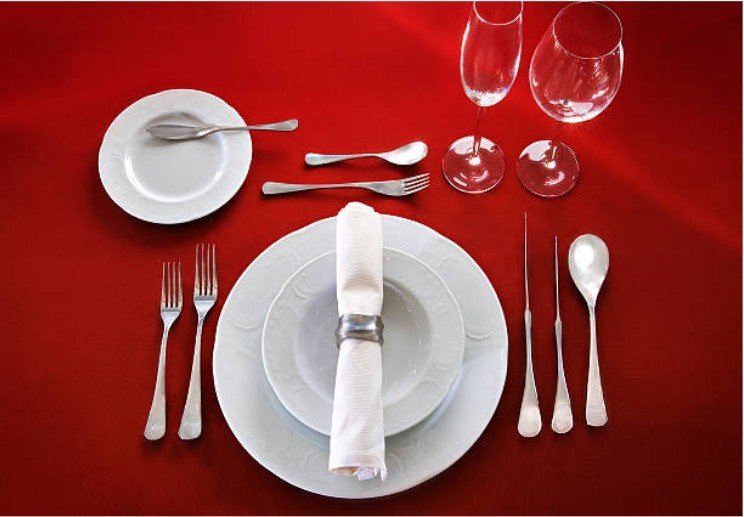
Turkey’s Table Manners: What to Expect at the Dinner Table
One of the most significant aspects of Turkish social life is dining, and it’s often accompanied by rich, long conversations. If you’re invited into a Turkish home, there are a few key etiquette points to keep in mind:
- Removing Shoes: When entering a home, it’s customary to remove your shoes. If you’re visiting a mosque, the same rule applies.
- Bring a Gift: It’s polite to bring a small gift, such as flowers or sweets, when visiting someone’s home. If you’re invited to dinner, bringing a bottle of wine or Turkish delight is a nice touch.
- Wait for the Host: Don’t start eating before your host does. The host may even ask you to wait until everyone has been served before you start eating.
- How to Eat: Turkey is a place where sharing meals is an important part of culture. It’s polite to eat together and try everything on the table, but don’t feel forced to finish everything.
What Not to Do at the Table
- Don’t place your elbows on the table while eating, as this is considered rude.
- Avoid eating with your left hand, especially when sharing food. The left hand is often considered impolite in Turkish culture.
The Importance of Hospitality in Turkey
 Image Credits: Turkiye Today
Turkish Hospitality: More Than Just Offering Tea
In Turkey, hospitality is a cornerstone of social life, and it’s a crucial part of the Turkish experience. One of the most important things to know is that when you are offered tea, you should accept it, even if it’s just a polite gesture. Refusing Turkish tea can be seen as impolite, and it may even offend your host. If you don’t drink tea, it’s fine to politely say you prefer water, but still, accept the gesture with gratitude.
- Tea Time: Turkish tea is often offered to guests, and you should accept it unless you have a strong reason not to. It’s customary to drink it in small sips from the iconic tulip-shaped glasses.
- Offering Food: If you’re offered food, especially sweets or fruit, it’s polite to accept a small portion. Saying “no” can be perceived as rejecting the offer and may hurt your host’s feelings.
What to Avoid: Turkish Social Etiquette Don’ts
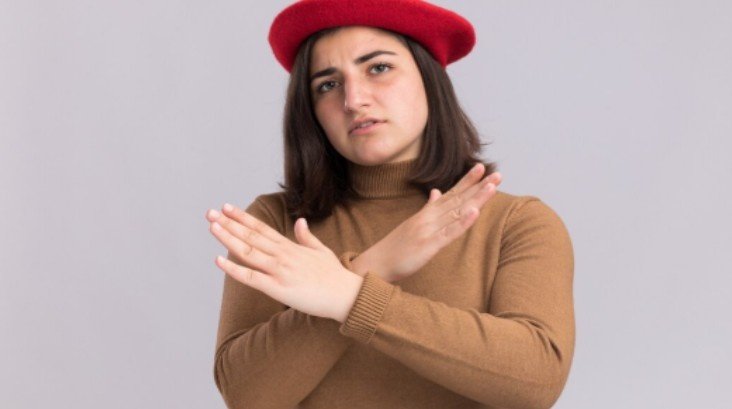
Taboos and Cultural Faux Pas to Avoid
Every culture has its own social rules, and in Turkey, there are some things you should avoid:
- Avoid Public Displays of Affection: While holding hands in public is common, kissing and hugging in public is less acceptable, especially in rural areas.
- Political Topics: Turkish people can be quite passionate about politics, but discussing politics in public or with strangers can lead to uncomfortable situations. Stick to lighter topics like food, sports, and travel.
- Pointing with Your Finger: Pointing at someone with your finger is considered rude in Turkey. If you need to point to something, use your whole hand or thumb instead.
- Don’t Show the Sole of Your Feet: In Turkey, showing the bottom of your feet is considered disrespectful. If you’re sitting cross-legged or on a chair, try not to point your feet directly at someone.
Frequently Asked Questions
1. Is it rude to refuse tea in Turkey?
Yes, it’s generally considered impolite to refuse tea when offered. Turkish tea is a symbol of hospitality, and refusing it could offend your host. If you don’t drink tea, it’s still polite to accept the offer and then explain your preference.
2. How should I greet elders in Turkey?
When greeting elders, it’s important to show respect. A handshake is common, but if you’re close to the person, offering a kiss on both cheeks is a warm, welcoming gesture. Always use respectful titles like Bey or Hanım.
3. Can I talk about politics in Turkey?
While it’s fine to discuss general topics, politics can be a sensitive subject in Turkey. It’s best to avoid political debates with strangers or acquaintances unless you’re certain it’s appropriate.
4. What should I bring when invited to a Turkish home?
When invited to a Turkish home, it’s customary to bring a small gift as a sign of appreciation. Flowers, Turkish delight, or a bottle of wine are great choices. Avoid bringing large or extravagant gifts, as it can make the host feel uncomfortable.
Final Thoughts
Understanding Turkish etiquette is more than just memorizing rules, it’s about respecting the local culture and connecting with people in a meaningful way. From the moment you greet someone with a warm handshake to the time you sit down for a meal, Turkish culture invites you to engage with generosity, respect, and warmth.
By embracing these etiquette tips, you’ll not only show respect but also enhance your own experience in Turkey, making it easier to connect with locals and enjoy all that this beautiful country has to offer. Whether it’s the hospitality, table manners, or greeting traditions, Turkey’s etiquette is a reflection of its deep cultural values, and once you get the hang of it, your visit will be smoother, more enjoyable, and even more memorable.