
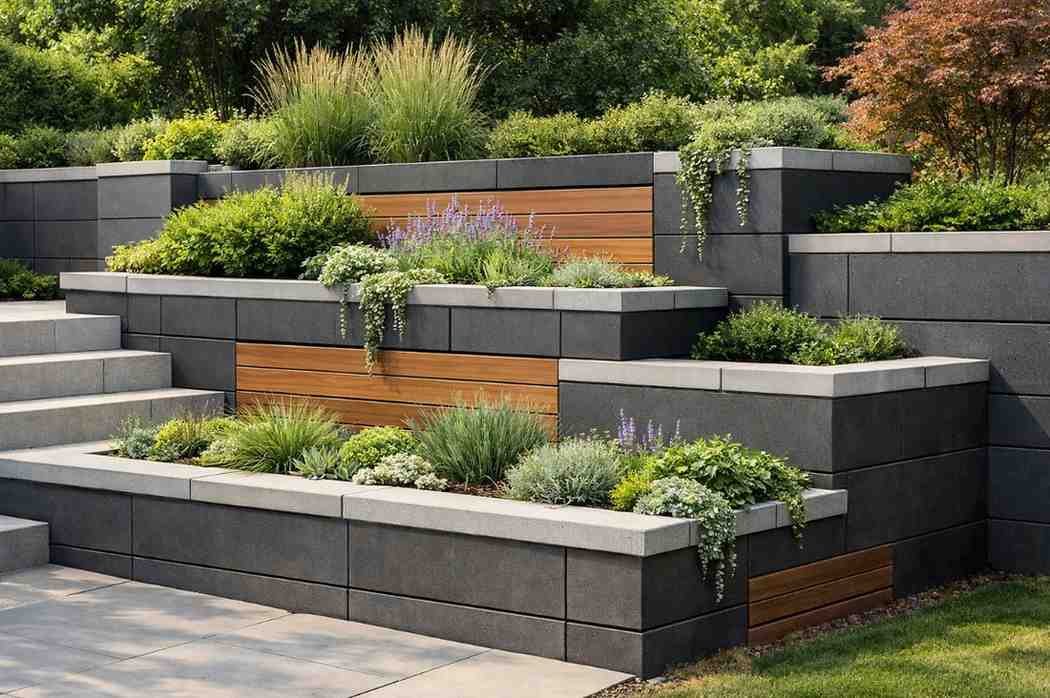
Landscape engineering is a critical field that combines elements of civil engineering, environmental science and artistic design to create functional and aesthetically pleasing outdoor spaces. An essential component in the discipline of landscape engineering is the integration of retaining walls systems. Retaining walls not only serve the functional purpose of holding back soil but also contribute to the sustainability and resilience of landscape projects.
Retaining systems have been traditionally used for stabilising slopes and preventing soil erosion, practices that are particularly crucial in regions prone to extreme weather conditions, such as heavy rains or drought. They also make possible the creation of terraces, garden beds, and other landscape features on uneven terrain, thereby maximising the usability of land.
Modern Innovations in Retaining Wall Technology
The design and construction of retaining walls have evolved considerably over the years, with modern technology paving the way for systems that are not only durable and effective but also environmentally sustainable. The latest innovations in retaining walls systems have introduced eco-friendly materials, improved drainage solutions, and techniques that blend seamlessly with natural surroundings.
One of the key advancements in this area is the development of modular wall systems. These are designed for easy installation, enabling fast construction without compromising quality or strength. They are often made from recycled materials, which minimise their environmental impact while maintaining high structural integrity.
Retaining Walls for Eco-Conscious Landscape Management
As the need for sustainable practices becomes ever more pressing in the face of climate change, retaining walls are playing a significant role in eco-conscious landscape management. The push for sustainability has led to retaining wall solutions that not only prevent erosion but also promote biodiversity and wildlife habitats through their design.
Sustainable retaining wall systems can offer integrated plantable cells or incorporate native vegetation, encouraging wildlife to thrive and creating a more diverse ecosystem within the landscape. By selecting appropriate plant species, retaining walls can also help to stabilise the soil naturally and contribute to the aesthetic value of the landscape.
Customisation and Aesthetic Appeal
The aesthetics of a retaining wall system are as important as its functionality, especially for projects where visual appeal is a priority. Customisation options allow for the walls to feature a variety of textures, colours, and finishes that can mimic natural stone, brick, or other architectural styles.
This kind of flexibility in design ensures that retaining walls not only serve their primary purpose but also enhance the overall look and feel of the landscape. Such attention to aesthetics encourages a more harmonious blend between the built and natural environments, an essential aspect of landscape engineering.
The Role of Retaining Walls in Urban Landscapes
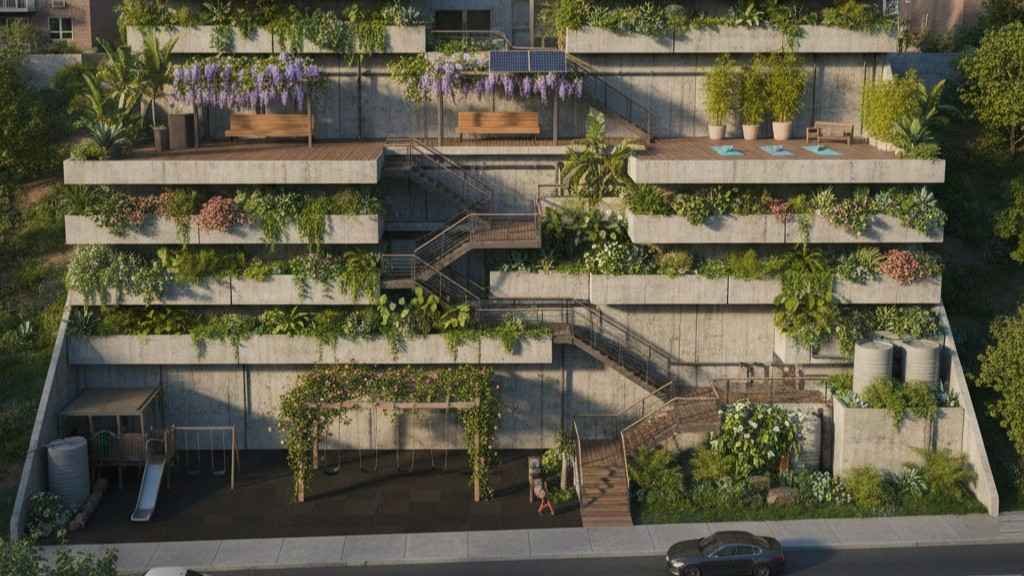
In urban environments where space is at a premium, retaining walls are vital for creating functional outdoor spaces. Through the utilisation of vertical landscaping, such systems can transform steep, unusable slopes into terraced gardens and recreational areas. This increases available green space in urban settings, contributing to the health and well-being of urban residents.
The presence of green infrastructure in cities has numerous benefits, including reduced heat island effects, improved air quality and additional habitats for urban wildlife. Retaining walls are a key element in facilitating these green spaces, as they allow for landscaping in areas that would otherwise remain barren and unused.
Challenges and Solutions for Retaining Wall Construction
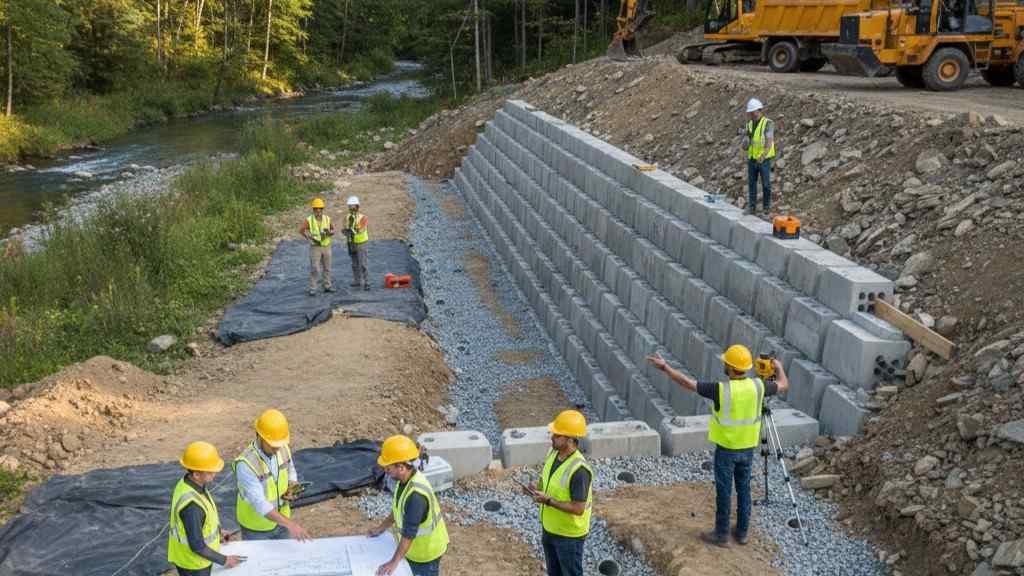
Despite the many benefits of retaining wall systems, there are challenges that need to be addressed during design and construction. Site conditions, such as type of soil and load-bearing capacity, must be carefully analysed to determine the appropriate wall solution. Engineers and architects must also consider the potential impact of the wall on local water flow and drainage patterns.
To address these challenges, innovative retaining wall systems come equipped with advanced drainage solutions. Ones that prevent water build-up and hydrostatic pressure behind the wall. Proper drainage is key to the longevity and stability of the structure, protecting against soil saturation and possible wall failure.
Future Prospects in Retaining Wall Technology
The field of retaining wall technology is continuously advancing, with new materials and construction techniques emerging in response to environmental concerns and the needs of landscape management. It also serves as a minimal budget home decor. Future developments are likely to see further integration of green technology, such as solar-powered lighting or smart sensors for monitoring wall health.
Materials science will also play a critical role. Especially with engineers exploring even lighter, stronger, and more sustainable materials for constructing retaining walls. Such innovations will promote more efficient use of resources and a lower carbon footprint for landscape projects.
Conclusion: The Path to Sustainable Landscape Architecture
Retaining wall systems are key players in the sustainable transformation of landscaping and urban development. As we face growing environmental challenges and a push for green design. The role of retaining walls in landscape engineering will only become more pronounced. Their ability to manage soil, water, and vegetation effectively. While also enhancing aesthetic value, makes them an indispensable tool for landscape architects and engineers.
In conclusion, as the demand for sustainable and resilient landscape solutions grows retaining wall systems will remain at the forefront of innovation. Shaping the way we understand and interact with our outdoor spaces. By continuing to embrace and develop these systems, we can ensure a more sustainable and visually appealing future for landscape management.