
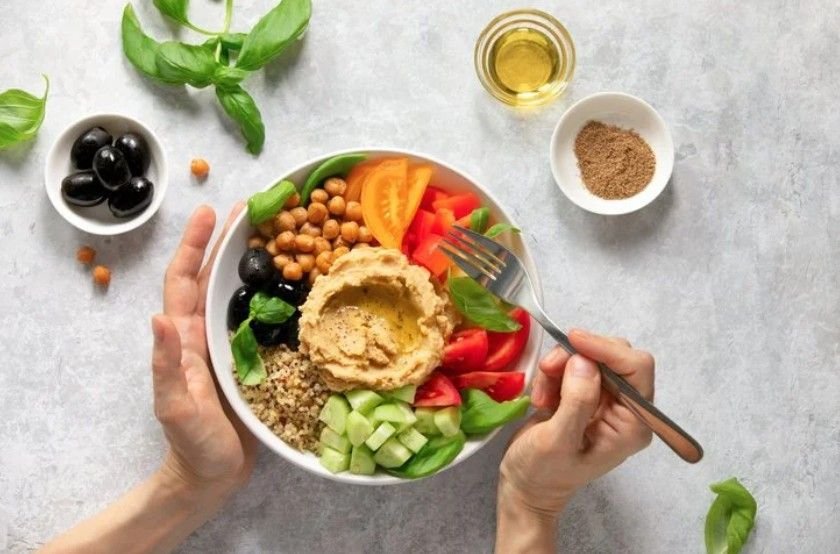
The Mediterranean diet is widely regarded as one of the healthiest eating patterns in the world. But when it comes to understanding its true essence, many people get it wrong. There’s a lot of misunderstanding about the Mediterranean diet, from the notion that it’s all about pasta and wine to false beliefs about its cost.
You’re not alone if you’ve ever questioned whether this well-known diet is overly restricted or only a trend.
1. The Mediterranean Diet Is Just About Pasta and Wine
The Truth: It’s About Whole Foods and Balance
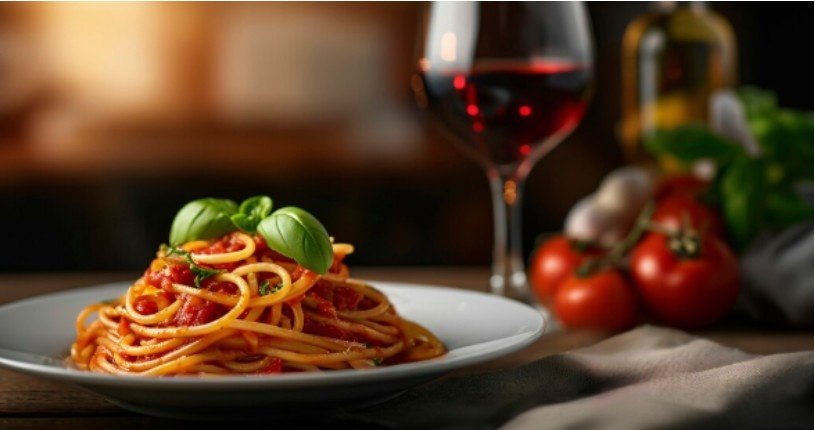
One of the biggest myths about the Mediterranean diet is that it’s all about pasta and wine. While these foods are certainly part of the diet, they are not the foundation. The Mediterranean diet focuses on whole foods, with an emphasis on vegetables, fruits, whole grains, legumes, fish, and healthy fats (like olive oil). Wine may be consumed in moderation, but it’s not the main focus.
What You Should Be Eating
Instead of focusing on pasta and wine, the Mediterranean diet encourages:
- Vegetables: Fresh and seasonal, like tomatoes, cucumbers, and leafy greens.
- Fish and Seafood: Rich in omega-3s, with fish like salmon and sardines.
- Healthy Fats: Olive oil, nuts, and seeds are staples in this diet.
- Legumes and Whole Grains: Think chickpeas, lentils, and quinoa.
2. Mediterranean Diet Is Too Expensive to Follow

The Truth: It’s Affordable When You Stick to Basics
Another myth is that the Mediterranean diet is expensive. It’s easy to assume that healthy eating requires special, costly ingredients. However, many Mediterranean foods—like legumes, grains, seasonal produce, and olive oil are actually quite affordable.
Budget-Friendly Mediterranean Staples
You don’t need to break the bank to enjoy the Mediterranean diet. Here’s how to keep it affordable:
- Buy in bulk: Grains, beans, and lentils are inexpensive when bought in bulk.
- Focus on seasonal veggies: Seasonal produce of veggies is often cheaper and fresher.
- Olive oil: While premium olive oils can be pricey, a basic bottle of olive oil is usually affordable and lasts a long time.
3. You Can’t Eat Meat on the Mediterranean Diet
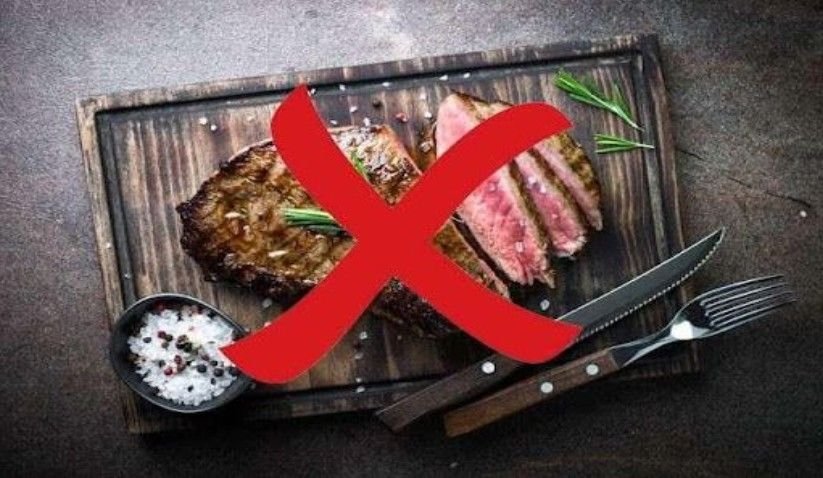 Image credits: CookUnity
The Truth: It’s About Moderation, Not Exclusion
While the Mediterranean diet is primarily plant-based, that doesn’t mean you can’t enjoy meat at all. The key is moderation. Red meat is eaten sparingly, while poultry and fish are more common. So, if you love a good steak, it’s not about eliminating it completely, it’s about balancing it with plant-based meals.
How to Incorporate Meat in a Healthy Way
- Fish and Seafood: Aim to eat fish two to three times a week.
- Lean Meat: When you do enjoy red meat, keep it to smaller portions and consume it a few times a month.
- Plant-Based Meals: Let vegetables, beans, and legumes take the spotlight most of the time.
4. The Mediterranean Diet Requires Drinking Tons of Wine

The Truth: Wine is Optional and Best in Moderation
It’s easy to think that the Mediterranean diet is all about wine, especially given the famous Greek and Italian cultures that often drink wine during meals. However, wine is optional in the Mediterranean diet, and it’s only consumed in moderation-one to two glasses per day, often during a meal. Drinking wine isn’t mandatory to follow the diet, and if you don’t drink alcohol, you can still enjoy the health benefits of this eating pattern.
5. It’s a Fad Diet
The Truth: It’s a Long-Term Lifestyle
The Mediterranean diet isn’t a “quick fix” weight loss plan-it’s a lifestyle. Unlike trendy fad diets that restrict certain food groups, the Mediterranean diet is about sustainable eating habits. It’s designed to improve overall health and well-being, rather than just focusing on weight loss. Research has shown that those who follow this diet tend to live longer and have a lower risk of chronic diseases like heart disease.
6. The Mediterranean Diet Is Difficult to Follow
The Truth: It’s Simple and Flexible
Many people believe that the Mediterranean diet is difficult to follow due to its focus on fresh, whole foods. But in reality, it’s one of the easiest diets to adopt. You don’t need to track calories or follow complicated meal plans. The Mediterranean diet simply encourages a lifestyle of eating nutritious, whole foods while avoiding processed items.
How to Start the Mediterranean Diet Today
Here are some simple steps to start:
- Focus on whole grains, legumes, vegetables, and fruits.
- Use olive oil as your primary fat for cooking and dressings.
- Include fish in your meals a few times a week, and limit red meat.
- Eat with family and friends: The Mediterranean lifestyle emphasizes community meals that strengthen bonds.
Frequently Asked Questions
1. Can I drink coffee on the Mediterranean diet?
Yes, coffee is allowed! Just avoid adding too much sugar. In Mediterranean countries, coffee is often enjoyed with a little bit of milk or sugar.
2. How much fat is in the Mediterranean diet?
The Mediterranean diet is high in healthy fats like those from olive oil and nuts, but it’s also balanced with plenty of whole grains, fruits, and vegetables. These fats are beneficial for heart health.
3. Can I still eat desserts on the Mediterranean diet?
Yes, you can! But desserts should be kept in moderation. Common desserts include fresh fruit, Greek yogurt with honey, or small servings of Turkish delight. The key is to enjoy sweets occasionally, not as an everyday indulgence.
4. Is the Mediterranean diet suitable for weight loss?
Yes, the Mediterranean diet can be effective for weight loss because it emphasizes whole, nutrient-dense foods that promote satiety and reduce overeating. However, its primary goal is to improve overall health and well-being.
Final Takeaways
The Mediterranean diet isn’t about strict rules or expensive ingredients – it’s about enjoying fresh, whole foods in balance. By focusing on vegetables, healthy fats, and lean proteins, you can experience the health benefits of this lifestyle without falling for the common myths. Make it part of your daily routine for better health, longevity, and overall well-being.