

Living in a food desert can be incredibly challenging. For years, I didn’t fully understand just how much of a toll these areas could take on someone’s health—until I started paying more attention to the deeper issues that arise when fresh food is hard to come by.
Food deserts—areas with limited access to affordable, nutritious food—are not just about empty grocery store shelves. They affect everything from our waistlines to our overall well-being. Let’s unpack what’s really happening in these communities and how it impacts health.
What Exactly Is a Food Desert?

I’ve realized that when we talk about food deserts, it’s easy to just picture a barren area with no fresh produce in sight. But there’s more to it. Food deserts are places where people live far away from stores that sell healthy food at affordable prices.
This doesn’t just mean a lack of grocery stores; it means an overabundance of fast-food joints, convenience stores, and gas stations selling processed snacks instead of whole foods like fruits, vegetables, and meats.
Living in one of these areas means you’re more likely to face chronic health problems, from obesity to heart disease. But it’s not just about what you eat; it’s about the environment, the stress, and the financial constraints that come with food insecurity.
Why Do Food Deserts Lead to Health Problems?

It’s easy to assume that food deserts only affect those who can’t afford healthy food, but it’s more complex than that. There are several biological and psychological factors at play that make health issues in food deserts much more severe.
Lack of Nutrient-Dense Foods
When healthy food isn’t an option, it’s tempting to grab something fast, easy, and affordable, even if it’s packed with sugars, fats, and sodium. I’ve seen how easily this becomes a pattern.
If you’re constantly relying on cheap, processed foods, you end up with a higher glycemic load (basically, more sugar and carbs) that spikes your blood sugar, contributing to insulin resistance. This doesn’t just cause weight gain—it leads to chronic conditions like type 2 diabetes and heart disease.
It’s frustrating because it’s not about a lack of knowledge. It’s about access. People in food deserts are often forced to choose between high-calorie foods that are cheap and what’s best for their health. It’s a constant battle.
The Psychological Toll of Food Insecurity
Another issue is the constant mental stress of food insecurity. Living in a food desert can lead to heightened anxiety and stress, especially when you’re struggling to make ends meet. I can’t imagine what it’s like to wonder where your next meal is coming from and how you’re going to balance that with managing your health.
Chronic stress releases cortisol (the stress hormone), which has been shown to increase insulin resistance, a key factor in the development of diabetes.
In communities facing food insecurity, social isolation can also play a big role. When there’s little access to healthy food, and the only available options are high-calorie, low-nutrient, processed items, it can feel like there’s no way out. It’s easy to fall into unhealthy eating patterns that only make matters worse.
How Do Food Deserts Impact Chronic Health Conditions?
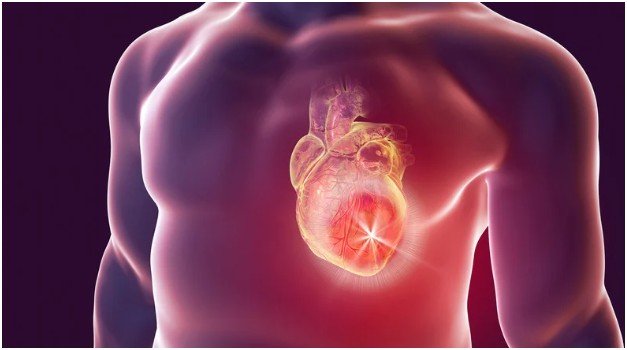
Food deserts don’t just contribute to weight gain; they’re a direct factor in the development of serious health conditions. The lack of access to nutritious food makes it harder to manage chronic diseases like diabetes and hypertension.
I’ve learned that residents in these areas are often forced to live with conditions that could be better controlled if they had access to healthier food options.
Diabetes: A Growing Epidemic
In 2026, research shows that adults living in food deserts are 2 to 3 times more likely to develop type 2 diabetes compared to those with consistent access to healthy food. Without the right kind of food, your blood sugar levels can become unstable.
This leads to complications like poor glycemic control and higher A1c levels—which, in turn, increase the risk for other chronic issues like kidney failure and cardiovascular disease.
I know that eating healthy is key to managing diabetes, and I’ve seen firsthand how it can be difficult to find fresh produce or even afford it when it’s so far away.
The “food vs. medicine” trade-off is real. Sometimes people have to decide between paying for groceries or their diabetes medications. That’s a dangerous choice.
Cardiovascular Disease and High Blood Pressure
Living in a food desert also increases the risk of cardiovascular disease and high blood pressure. If there’s an over-concentration of fast-food outlets and convenience stores, and limited availability of healthier options, your diet will likely be high in unhealthy fats and sodium.
Research confirms that people living in these areas are more likely to have high blood pressure, making them more prone to heart disease, which is the leading cause of death among people with diabetes.
How to Combat the Impact of Food Deserts on Your Health
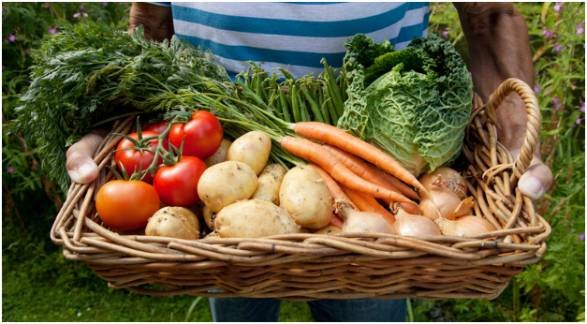
Even though living in a food desert presents serious challenges, there are ways to fight back. It all starts with creating habits that prioritize your health—whether or not you have easy access to fresh food.
1. Grow Your Own Food
If you have access to a garden or even a small balcony, start growing your own fresh produce. It’s amazing how many vegetables you can grow in small spaces with the right containers.
Urban farming and community gardens are gaining popularity in food deserts, and I’ve seen how they can transform entire communities. Not only does it help you access fresh, healthy food, but it gives you a sense of control over what you eat.
2. Join a CSA (Community-Supported Agriculture)
If gardening isn’t an option for you, consider joining a CSA. These programs offer weekly deliveries of fresh, local produce from nearby farms, often at affordable rates.
Look for programs that accept SNAP benefits if cost is a barrier. It’s a great way to get the fresh food your body needs, even if the closest grocery store doesn’t have what you’re looking for.
3. Get Creative with Cooking
Healthy eating in a food desert doesn’t have to be boring or expensive. I’ve learned that you can make delicious meals with pantry staples like beans, rice, and frozen vegetables.
With a little creativity, you can make nutritious, satisfying meals without breaking the bank. Look for recipes that feature seasonal produce or foods that are versatile, easy to store, and affordable.
FAQs About Food Deserts and Health
1. Can food deserts cause obesity?
Yes, food deserts contribute to obesity because residents often rely on cheap, high-calorie, low-nutrient foods. When healthy options aren’t available, people are more likely to choose processed foods that are packed with sugar and fats, leading to weight gain and other health issues like insulin resistance.
2. How can I manage diabetes if I live in a food desert?
Managing diabetes in a food desert can be challenging, but it’s possible. Focus on meal planning, even if that means preparing meals in advance with what you can get. Look for local food banks or community programs that provide healthy food options.
And, of course, always keep in touch with your healthcare provider to manage medications and blood sugar levels effectively.
3. Are there any programs that help with food access in food deserts?
Yes, programs like mobile grocery stores, farmers markets with SNAP benefits, and community gardens can help increase access to healthy food in food deserts. Look for local resources in your community or online to find out about initiatives in your area.
It’s Time to Take Action
Food deserts are not just a problem for the people who live in them—they’re a problem for society as a whole. But change is possible. Community-driven efforts, better access to fresh food programs, and health-focused policies are all part of the solution.
Until then, we can make small, actionable changes in our own lives—whether that’s growing a garden or supporting local food initiatives. Don’t wait for the world to change—make the change within your own reach.