

Have you ever felt overwhelmed, exhausted, or even resentful in your relationships? If so, you’re not alone. One of the most effective ways to protect your emotional health and improve the quality of your relationships is by setting healthy boundaries.
In this blog, I’ll walk you through why boundaries are essential, how to recognize when they’re needed, and, most importantly, how to implement them in your day-to-day life. Whether it’s with family, friends, coworkers, or romantic partners, learning to set clear limits is an empowering act of self-care.
What Are Healthy Boundaries in Relationships?

At their core, healthy boundaries are the emotional, physical, and mental limits we set to protect ourselves from being taken advantage of or feeling drained. In a healthy relationship, both people respect each other’s boundaries, leading to mutual trust, respect, and understanding.
Boundaries aren’t about pushing people away; rather, they’re about creating a space where both people can thrive. When we don’t set boundaries, we risk overextending ourselves, feeling resentful, or losing our sense of self.
Why Are Boundaries So Important?
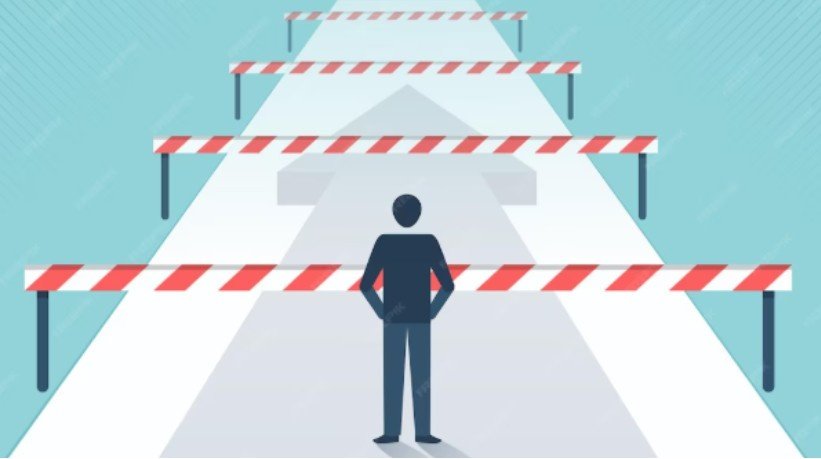
Imagine this: You’ve been juggling multiple tasks at work, helping a friend with a personal problem, and still trying to maintain your own social life. Over time, you may feel your energy slipping, stress levels rising, and even your physical health taking a hit. Without clear boundaries, it’s easy to neglect your needs, and that’s when burnout happens.
Setting boundaries is vital because it helps us:
- Protect our mental health by creating space for self-care
- Prevent feelings of resentment or frustration
- Encourage respect in relationships
- Improve self-esteem by valuing our own needs
Types of Boundaries You Need to Know About
Understanding the different types of boundaries is crucial to knowing when and where to set them. These include:
1. Emotional Boundaries

These boundaries protect our feelings. For instance, if someone constantly dismisses your emotions or belittles your opinions, it’s important to set limits around how you’ll engage in that conversation moving forward.
2. Physical Boundaries

These are the personal space limits that keep you comfortable. Whether it’s how you interact with others physically or the way you need your personal space respected, physical boundaries are vital to your sense of security.
3. Time Boundaries

In a world where we are constantly pulled in multiple directions, protecting your time is essential. If you’re always saying yes to everyone else’s requests but never making time for yourself, it’s time to set some boundaries around your schedule.
4. Material Boundaries
This includes your money, possessions, and resources. For example, lending someone money may be a sensitive issue, and it’s okay to set boundaries around what you’re willing to share financially.
How to Set Healthy Boundaries in 5 Simple Steps
Now that we understand why boundaries are important and the different types, let’s dive into the practical steps you can take to set them in your relationships.
Step 1: Identify Your Needs
The first step in setting healthy boundaries is understanding your own needs. Ask yourself:
- What makes me feel respected?
- Where do I feel drained or overwhelmed?
- What personal limits do I need to protect?
By identifying these needs, you can create boundaries that truly protect your emotional well-being.
Step 2: Communicate Clearly and Calmly
The key to setting effective boundaries is clear communication. Be direct but respectful when you express your needs. For example, if a friend constantly asks you for favors when you’re busy, you might say, “I really need some time for myself, so I won’t be able to help this time.”
Step 3: Be Consistent
Setting a boundary is only effective if you stick to it. If someone crosses a boundary, gently remind them of your limits and reinforce your expectations. For instance, if your family keeps calling you during work hours, kindly but firmly remind them that you’re not available at that time.
Step 4: Handle Guilt and Pushback
It’s normal to feel guilty when you start setting boundaries, especially if others are used to you being more accommodating. But remember, your well-being is a priority. Don’t let guilt sway your decisions, and be prepared for others to push back. Stay calm and remind yourself of why you set the boundary in the first place.
Step 5: Practice Self-Care
Setting boundaries is a form of self-care. After setting a boundary, make sure you take time for yourself. This could mean a break from social media, a solo walk, or even enjoying a quiet meal without interruptions. This time recharges you, helping you stay firm in your boundaries.
Dealing with Common Boundary Challenges
It’s not always easy to set boundaries, especially if you’re used to always saying yes or avoiding confrontation. Here are a few challenges you might face:
1. Feeling Guilt
It’s natural to feel guilty when you start setting boundaries, especially if you’re worried about disappointing others. But remember, you’re not responsible for how others react to your boundaries. Guilt will subside over time as you practice setting and enforcing limits.
2. Fear of Rejection
Another common fear is that others might reject or distance themselves from you when you set boundaries. However, healthy relationships are based on mutual respect, and setting boundaries actually strengthens these relationships by understanding.
3. Pushback
Some people might not respect your boundaries right away. It’s essential to stay calm and consistent, even if they challenge or dismiss your limits. Be firm but compassionate when reinforcing your boundaries.
Frequently Asked Questions
1. How do I know when it’s time to set a boundary?
If you’re feeling overwhelmed, drained, or disrespected in a relationship, it might be time to set a boundary. Listen to your feelings, they often signal when your personal limits are being tested.
2. What should I do if someone ignores my boundaries?
If someone continues to ignore your boundaries, calmly remind them of your limits. If they continue to disregard your needs, consider distancing yourself from the relationship or setting stronger consequences.
3. Can setting boundaries improve my relationships?
Absolutely! Healthy boundaries promote mutual respect, understanding, and personal growth, which can strengthen your relationships in the long run.
Final Thoughts
Setting healthy boundaries isn’t just about saying “no” to others; it’s about saying “yes” to yourself. By clearly defining your limits, communicating your needs, and enforcing them with confidence, you not only protect your well-being but also build stronger, more respectful relationships.
Remember, setting boundaries is a lifelong practice and while it may feel uncomfortable at first, the more you do it, the easier it becomes. Your peace of mind is worth it, and your relationships will be healthier because of it.