
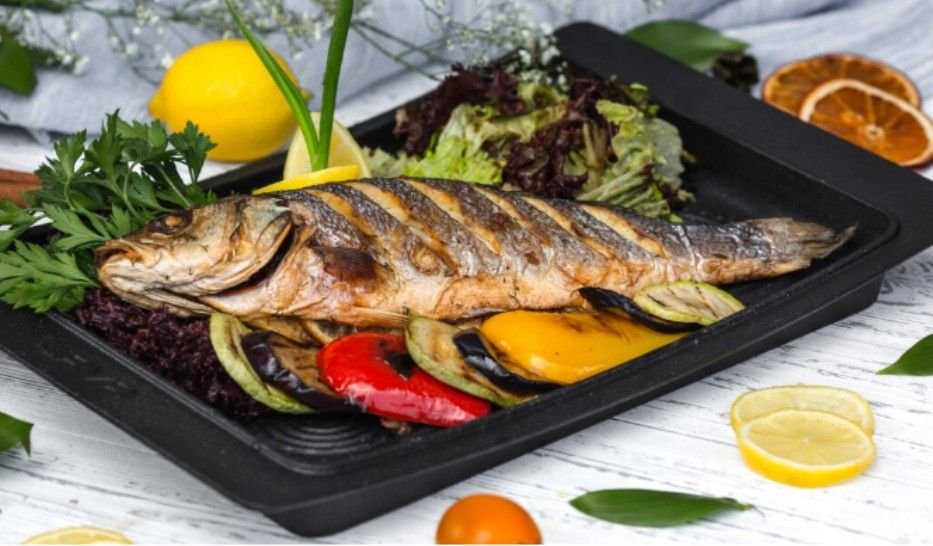
Cooking fish in the oven is one of the easiest and most rewarding ways to prepare this protein-rich food. Whether you’re cooking fish fillets or a whole fish, baking allows you to bring out its natural flavors while keeping it tender, moist and flaky. Over the years, I’ve perfected the process of cooking fish in the oven, and I’m here to share my personal experience with you to help you create the perfect fish dish every time.
Today, I’ll walk you through different methods of cooking fish in the oven, providing both simple and more involved techniques. I’ll also share my personal tips and tricks for success, including the best temperatures, timing, and seasoning to elevate your dish.
Why Cooking Fish in the Oven Is the Best Option
Baking fish in the oven is hands-off, healthy, and versatile. It’s a perfect method for anyone, even if you are a busy person looking for an easy dinner solution or someone wanting to impress friends or family with a flavorful fish dish. The oven’s dry heat evenly cooks the fish while helping it retain moisture, ensuring a perfectly flaky texture without drying out.
When I first started cooking fish in the oven, I struggled with overcooking it and losing that moist, tender texture. But over time, I discovered simple techniques that turned it into a go-to meal. From my personal experience, I can confidently say that this method is simple, forgiving, and incredibly flavorful.
General Tips for Success When Baking Fish

Here are a few universal tips to ensure success when cooking fish in the oven:
- Temperature & Time: A great rule of thumb is the “10-minute rule.” This means baking the fish at 450°F (230°C) for 10 minutes per inch of thickness. If the fish is thicker, it will need a little more time, and if it’s thinner, reduce the cooking time slightly.
- Doneness: The fish is done when it flakes easily with a fork. The internal temperature should reach 145°F (63°C) at its thickest part. I always check it with a fork before taking it out to avoid overcooking.
- Preparation: Make sure to pat the fish dry with paper towels before seasoning it. This helps avoid a soggy texture and ensures that the seasoning sticks well.
- Avoid Overcooking: Fish continues cooking after being removed from the oven, so it’s better to take it out just a bit early. Let it rest, and it will finish cooking perfectly.
How to Cook Fish in the Oven: Simple Baked Fish Fillets
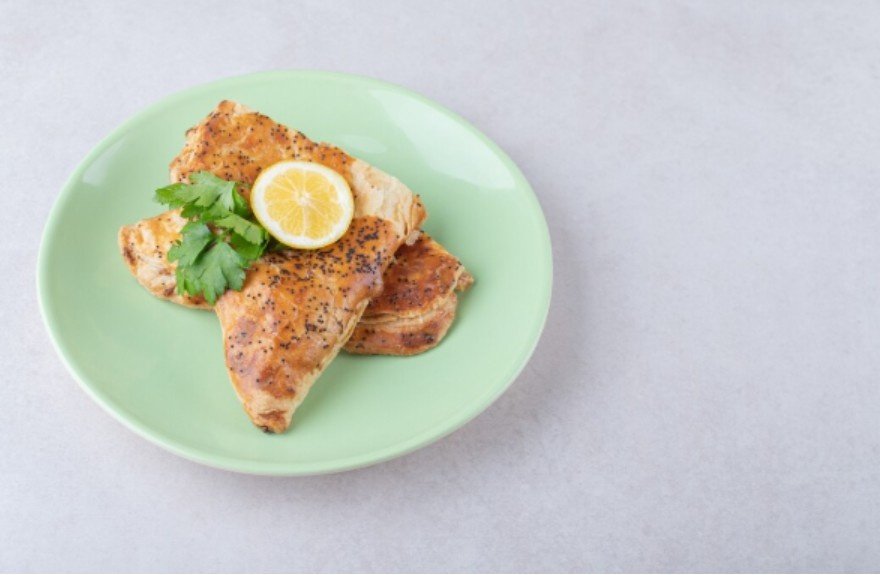
Ingredients:
- Fish fillets (about 1 inch thick)
- Olive oil or butter
- Lemon juice
- Salt and pepper
- Optional: Fresh herbs like dill, parsley, or basil, or a store-bought seasoning blend
Method:
- Preheat the Oven: Start by preheating the oven to 450°F (230°C). This high temperature ensures that your fish cooks quickly and evenly.
- Prepare the Fish: Line a baking sheet with parchment paper or aluminum foil for easy cleanup. Pat your fillets dry with paper towels. This helps them crisp up while baking and allows the seasonings to stick.
- Season the Fish: Rub the fish with olive oil or butter, making sure to coat both sides. Sprinkle salt, pepper, and any herbs or seasoning blends you’re using over the fillets. I love squeezing a bit of lemon juice on top for that zesty flavor.
- Bake the Fish: Place the fillets in the oven and bake for 10 minutes per inch of thickness. For a 1-inch thick fillet, 10 minutes is typically perfect. You’ll know it’s ready when the fish is opaque and flakes easily with a fork.
- Serve: Remove the fish from the oven and serve immediately, topped with fresh herbs or a little extra lemon juice.
This method is simple and effective. I love making it for a quick weeknight dinner. Plus, you can easily switch up the seasoning to fit your mood, whether it’s a simple lemon-garlic combo or something bolder like Cajun seasoning.
Method 2: Cooking Fish in Foil (En Papillote)
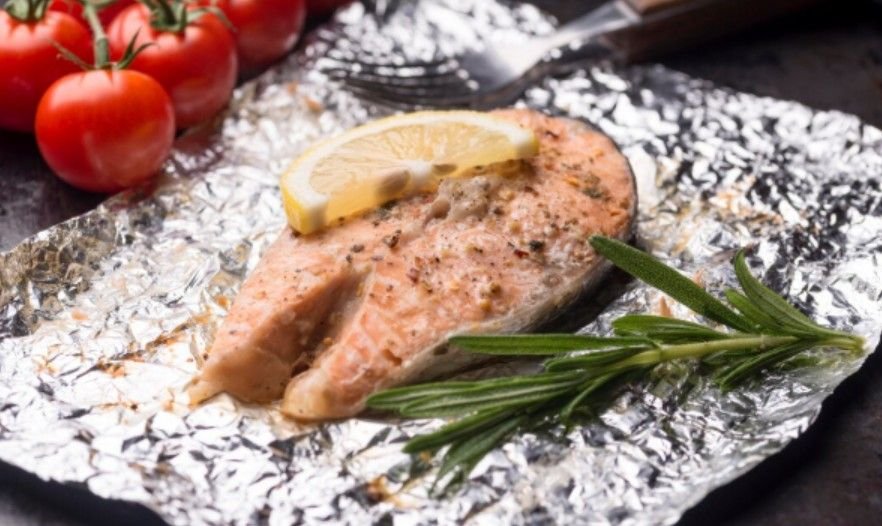
What is Cooking Fish in Foil?
This French technique, called en papillote, involves cooking fish in a sealed packet made from aluminum foil or parchment paper. This method traps the fish’s natural steam and juices, making it incredibly moist and flavorful. This is also a great technique for cooking fish that’s a bit thicker or needs extra moisture, such as salmon.
Instructions:
- Preheat the Oven: Set your oven to 400°F (200°C) for this method. This slightly lower temperature gives the fish more time to steam and cook evenly inside the packet.
- Prepare the Fish Packet: Lay a fillet in the center of a large sheet of foil or parchment paper. Add thin slices of lemon, garlic, fresh herbs (I love thyme or rosemary), and a small pat of butter or drizzle of olive oil. This infusion of aromatics makes the fish fragrant and flavorful as it cooks.
- Seal the Packet: Fold the foil or parchment around the fish to form a sealed packet. Be sure to pinch the edges tightly to trap all the steam.
- Bake: Place the fish packets on a baking sheet and bake for 15 to 20 minutes, depending on the thickness of the fillet. The steam inside will cook the fish, leaving it tender and juicy.
- Serve: Carefully open the packet (watch out for hot steam) and serve the fish immediately with the delicious juices from the packet.
This method has become one of my favorites for making salmon. It’s so easy and allows the fish to cook in its own flavorful broth, creating a dish that’s never dry.
Tips for Different Fish Types
Certain fish types respond better to baking than others. Here are my top recommendations for different kinds of fish:
- White Fish Fillets (Cod, Tilapia, Halibut, Snapper): These tend to cook quickly and are perfect for simple baking methods. The firm texture holds up well to high heat, ensuring that the fillets don’t fall apart.
- Salmon: Salmon can be baked similarly to white fish, but it benefits from the foil packet method due to its higher fat content. This keeps the fish moist and brings out its natural flavor.
- Whole Fish: Baking a whole fish is slightly more involved but absolutely delicious. You can stuff the cavity with fresh herbs, garlic, and lemon before wrapping the fish in foil and baking it. The skin helps retain moisture, making it a rich, flavorful option.
Frequently Asked Questions
1. How do I know when my fish is done baking?
The fish is done when it’s opaque and flakes easily with a fork. If you have a food thermometer, the internal temperature should reach 145°F (63°C).
2. Can I bake fish without foil?
Yes! You can bake fish without foil. Simply place the fillets directly on a greased baking sheet or a piece of parchment paper.
3. Should I marinate the fish before baking?
Marinating isn’t necessary for baking fish, but it can enhance flavor. I like to add a little lemon juice, olive oil, and herbs for a simple marinade before baking.
4. Can I bake fish at a lower temperature?
Yes, you can bake fish at lower temperatures, but I recommend not going below 350°F (175°C). Baking at a higher temperature (450°F) gives a crispier texture while still keeping the fish moist inside.
5. Can I cook fish frozen in the oven?
Yes, you can cook frozen fish from frozen! Just increase the baking time by about 5-10 minutes. Make sure the fish reaches 145°F before removing it from the oven.
Final Words to Keep In Mind
If you are baking fish fillets or a whole fish, cooking it in the oven is a simple, effective way to get a moist, flaky result every time. With the right temperature, time, and seasoning, you can enjoy a delicious fish dish without the hassle of complicated techniques.
From my experience, it’s a versatile cooking method that fits both quick dinners and special occasions. And don’t forget, there’s no one-size-fits-all way to cook fish in the oven. Try experimenting with different fish types, herbs, and seasoning blends until you find your perfect combination.