

If you’re a fan of Mediterranean or Middle Eastern food, you’ve probably asked yourself, “What is the difference between gyro and kebab?” Both dishes have similar roots, and they share a love for grilled meats, but there are some distinct differences that set them apart.
So, whether you’re planning to make them at home or just curious about their origin, flavor, and preparation styles, here’s everything you need to know.
Are Gyros and Kebabs from the Same Place?
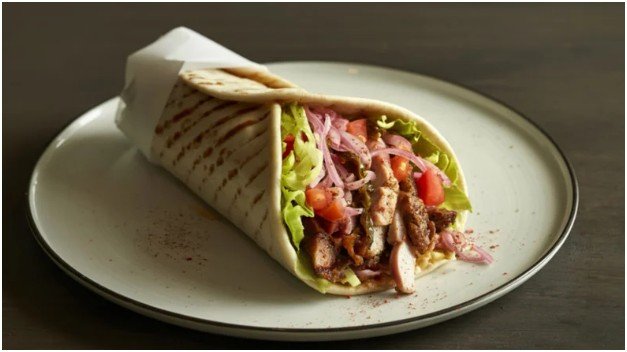
At first glance, gyros and kebabs might seem like the same thing. After all, they both feature grilled meat served with some delicious accompaniments. But, when you start looking at their origins, it’s clear they come from different culinary traditions.
- Gyro hails from Greece. The name comes from the Greek word gyros, meaning “turn,” which refers to the way the meat is cooked on a vertical rotisserie.
- Kebab (specifically döner kebab) has its origins in Turkey. The word kebab refers to grilled or skewered meat, but döner kebab is uniquely known for its vertical roasting method, much like the gyro.
What’s the Meat Difference Between Gyro and Kebab?
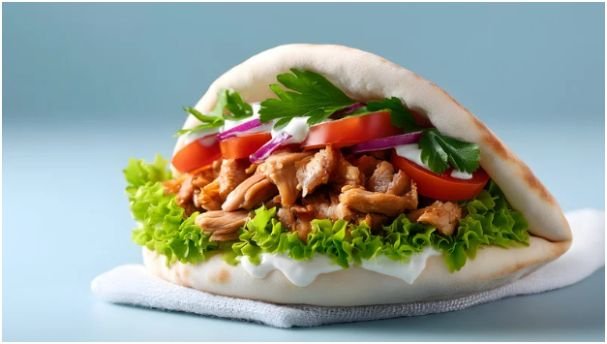
One of the most noticeable differences between the two is the type of meat used.
- Gyros are often made with pork in Greece, though chicken or beef is also common in other regions. In the U.S., it’s typically a mixture of ground beef and lamb, formed into a loaf and sliced thinly.
- Kebab, specifically the döner kebab, is traditionally made with lamb or beef. Chicken can also be used, but pork is never a choice, especially in Turkey, where Islamic dietary laws avoid pork.
The meat used in both dishes is seasoned, skewered, and roasted, but the flavor profiles differ because of the seasoning.
How Do Their Seasonings and Flavors Differ?
The spices and herbs used in gyros and kebabs are key to understanding their flavor profiles.
- Gyros have a fresher, lighter taste due to Mediterranean herbs like oregano, thyme, and rosemary, with a touch of lemon. These ingredients bring out a zesty, herbaceous flavor that’s not too overpowering.
- Kebabs, on the other hand, are typically seasoned with robust spices like cumin, sumac, and garlic, offering a deeper, spicier flavor profile. This gives kebabs a more intense, earthy flavor that’s a bit bolder.
The seasonings directly reflect the cultural influences of the regions. While gyros feel like a bright and fresh Mediterranean meal, kebabs offer a rich and spicy experience.
How Are Gyros and Kebabs Served?
Another key difference lies in the way the dishes are served.
- Gyros are typically served in a warm pita bread, wrapped around the meat along with tzatziki (a cool yogurt-based sauce), sliced tomatoes, onions, and sometimes french fries. The tzatziki gives the gyro its creamy, tangy kick.
- Kebabs, specifically döner kebabs, are often served in lavash (thin flatbread) or pide (Turkish bread). They’re usually accompanied by garlic yogurt or a spicy chili sauce and can be served on a plate with rice, or in a wrap with grilled vegetables like pickles and onions.
Both are great options for a quick meal on the go, but the choice of bread and sauces sets each apart.
How Can I Make Gyro and Kebab at Home?
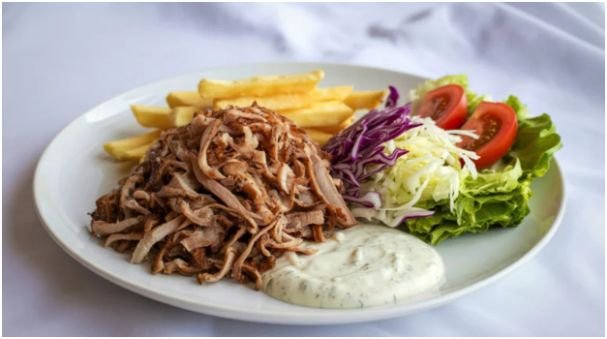
If you’re feeling adventurous and want to try making both gyros and kebabs in the comfort of your kitchen, here’s how I make them without a vertical rotisserie.
Gyro Recipe (Greek Pork Gyro)
Ingredients:
- 1 lb pork shoulder, thinly sliced
- 1/4 cup olive oil
- 2 tbsp red wine vinegar
- 3 cloves garlic, minced
- 1 tsp oregano
- 1 tsp thyme
- 1 tbsp honey
- Salt and pepper to taste
Instructions:
- Mix all marinade ingredients and marinate pork for 1-12 hours.
- Pan-sear the pork slices on a hot skillet until browned and slightly charred.
- Serve on warm pita with tzatziki, tomatoes, onions, and fries inside.
Kebab Recipe (Turkish Döner Kebab)
Ingredients:
- 1 lb ground lamb
- 1 lb ground beef
- 1/2 cup yogurt
- 1 grated onion, juice squeezed
- 3 cloves garlic, minced
- 1 tsp cumin
- 1 tsp sumac
- 1 tsp oregano
- 1 tsp paprika
Instructions:
- Mix all ingredients into a tight log shape using plastic wrap.
- Freeze overnight until solid, then shave thin slices while still frozen.
- Pan-fry the slices for 30 seconds per side.
- Serve on lavash with onions, parsley, and sumac.
Both recipes bring the flavors of Greece and Turkey to your table without a rotisserie!
FAQ: Your Burning Questions About Gyros and Kebabs
1. What is the main difference between gyros and kebabs?
The key difference is the origin and meat. Gyros come from Greece and are typically made with pork or a mix of beef and lamb, while kebabs, particularly döner kebab, are Turkish and usually made with lamb or beef. The seasonings and sauces also differ, with gyros leaning toward Mediterranean herbs and kebabs using spices like cumin and sumac.
2. Can I use the same bread for both gyros and kebabs?
Not exactly. Gyros are typically served in a pita bread, which is soft and thick. Kebabs, particularly döner kebabs, are served in lavash or pide, which are thinner and slightly more pliable. You can try substituting, but the bread really plays a role in defining the dish’s authenticity.
3. Are there vegetarian versions of gyro and kebab?
Absolutely! Vegetarian gyros often replace the meat with falafel or grilled vegetables. Similarly, vegetarian kebabs can be made with tofu, seitan, or a mix of grilled veggies like peppers, mushrooms, and onions.
Which is healthier—gyro or kebab?
It depends on how they’re prepared. Gyros made with pork can be a bit fattier, but chicken gyros can be a leaner choice. Kebabs, made with lean beef or chicken, are often grilled with fewer added fats. But, overall, both dishes are fairly balanced if made with lean meats and served with plenty of veggies.
Final Thoughts: Why Not Have Both?
Honestly, there’s no need to choose between the two! Whether you’re craving the fresh flavors of gyros or the spicy richness of kebabs, both dishes bring something unique to the table.
So why not switch things up? Make one today and the other tomorrow—trust me, you’ll enjoy both equally. And, if you’re feeling really adventurous, why not throw a Mediterranean BBQ and serve both side by side?
Tip: When making your homemade gyros or kebabs, don’t forget to get creative with your sauces. Tzatziki and garlic yogurt are just the beginning. Try adding a drizzle of sriracha or harissa to spice things up!